


15
AprImmigration Medical Exam Process: Avoid Delays & Stay Calm (2026)
The immigration medical exam process is the health screening Canada requires for many temporary and permanent immigration applications. It verifies public health and safety and confirms you don’t pose an excessive demand on health or social services. A panel physician completes standardized checks and submits results directly to IRCC, usually through eMedical.
By Kapil Rathod — Principal Lawyer, Rathod Law Firm
Last updated: April 15, 2026
Quick Answer
The immigration medical exam process confirms health admissibility for Canadian immigration and is completed by an IRCC-approved panel physician. At our office near 106-2250 Bovaird Drive East in Ontario, we guide you on timing, documents, and next steps, and support you if issues trigger fairness letters, immigration appeals, or judicial reviews.
Above the Fold: Why This Guide Matters + Table of Contents
Use this guide to navigate your Canadian immigration medical exam with confidence. You’ll learn who needs an IME, what to bring, how eMedical works, how to avoid delays, and what to do if results raise concerns. We include local tips relevant to clients near Bovaird Drive East and Highway 410.
- What you’ll learn
- Who needs a medical exam and when to book
- What panel physicians test and how eMedical submits results
- Upfront vs. exam-after-request timing
- Best practices to avoid refusals and delays
- How Rathod Law Firm supports appeals, fairness letters, and judicial reviews
- Table of contents
Local Tips
- Tip 1: Many panel clinics near Bovaird Drive East fill up quickly. If you’re driving via Highway 410, plan extra time for weekday traffic and arrive 15 minutes early with your passport and eyewear prescription (if applicable).
- Tip 2: Winter weather can slow travel across Peel Region. Book morning slots to reduce weather-related delays and give labs time to process same-day blood work.
- Tip 3: If a clinic asks you to fast for blood tests, confirm instructions when booking. In our experience, clear prep reduces rescheduling and keeps your immigration timeline on track.
IMPORTANT: These tips reflect our immigration-focused practice supporting clients in and around Ontario at 106-2250 Bovaird Drive East.
What Is the Immigration Medical Exam?
The immigration medical exam (IME) is a standardized health screening required by Canada for many applicants. An IRCC-approved panel physician performs the exam, orders tests, and submits results—often via eMedical—so IRCC can decide if you’re medically admissible regarding public health, public safety, and excessive demand.
- Core purpose
- Ensure applicants don’t pose a public health or public safety risk.
- Assess potential excessive demand on health or social services.
- Standardize medical evidence for consistent IRCC decisions.
- Who typically needs it
- Permanent residence pathways (e.g., family sponsorship, Express Entry categories).
- Many work and study permits, depending on job type or length of stay.
- Certain visitors staying longer or engaging in designated occupations.
- What’s included
- Medical history and physical exam by a panel physician.
- Tests commonly include chest X-ray and lab work per IRCC protocols.
- Direct submission of results, frequently through eMedical.
- Document basics
- Valid passport and any IRCC medical request letter or UMI number.
- Glasses/contact lens prescription, medication list, and prior medical summaries.
- Proof of identity for each family member examined.
In our Brampton-based practice, we help clients understand whether they need an IME now, whether “upfront” makes sense, and how to prepare so the appointment and follow-on steps go smoothly.
Why the Immigration Medical Exam Matters
Your IME influences admissibility and processing time. Clean, timely results let IRCC finish background and eligibility reviews faster. If potential issues appear, prompt legal guidance helps you respond to fairness letters or pursue appeals or judicial reviews to protect your immigration goals.
- Why it’s pivotal to outcomes
- IME outcomes tie directly to medical admissibility—often a gating factor.
- Complete, legible results reduce back-and-forth and processing delays.
- Potential red flags (e.g., untreated TB, serious conditions) may trigger fairness or refusal.
- Real-world impact
- We’ve seen applications advance promptly when eMedical updates land without errors the same week.
- Where clinics mis-enter details, applicants sometimes face requests for re-tests or clarifications.
- If IRCC deems results inconclusive, it can pause your file for additional exams.
- What most people don’t realize
- IME validity typically runs 12 months. If it expires before visa issuance, you may need a new one.
- Certain occupations (like health care or childcare) have stricter testing expectations.
- Small data-entry errors sometimes cause outsized delays—double-check your UMI and identity.
According to IRCC program guidance, medical admissibility decisions weigh public health/safety and service demand alongside your broader application record. A proactive strategy leads to fewer surprises and smoother timelines.
How the Immigration Medical Exam Process Works
Book with a panel physician, complete the history and physical exam, provide labs and chest X-ray as instructed, and ensure your identity and UMI are correct. Results flow to IRCC—often through eMedical—where an officer or medical officer reviews and records the decision.
- Step-by-step overview
- Confirm need and timing based on your program and deadlines.
- Book a panel physician appointment; bring passport and IRCC medical request (if any).
- Attend exam: history, vitals, and physical; provide any prior records.
- Complete tests (e.g., chest X-ray, blood/urine) as directed—often same day.
- Track submission: clinic sends results to IRCC (usually via eMedical).
- Watch for updates or additional information requests from IRCC.
- What panel physicians do
- Follow IRCC’s standardized medical instructions and forms.
- Verify identity, document history, and address notable conditions.
- Submit accurate electronic files to speed adjudication.
- Where delays occur
- Mismatched identity or UMI numbers in eMedical files.
- Missing labs (clinic or lab backlog) or unreadable X-ray images.
- Late responses to IRCC medical follow-up requests.
In our experience, the most preventable setbacks come from scheduling too late, bringing incomplete documentation, or overlooking minor clinic data errors that later stall IRCC review.
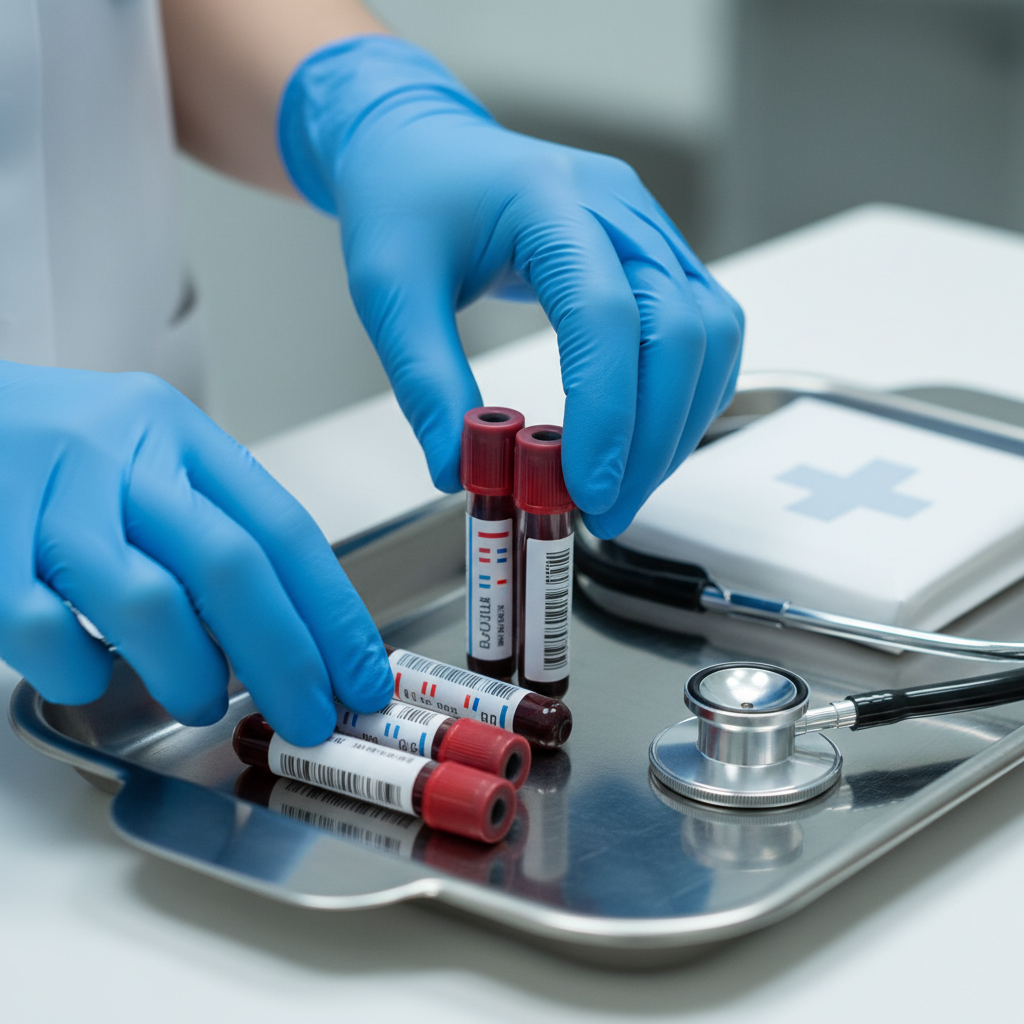
Process Snapshot (At a Glance)
| Stage | What Happens | Your Action | Pro Tip |
|---|---|---|---|
| Preparation | Confirm need, gather IDs, meds list | Book early; verify panel status | Ask clinic about fasting or eyewear |
| Exam Day | History + physical with physician | Bring passport + IRCC letter/UMI | Arrive 15 minutes early |
| Testing | Chest X-ray, blood/urine as needed | Follow clinic directions same day | Keep receipts and tracking info |
| Submission | Clinic sends results (eMedical) | Confirm your email on file | Check spam for IRCC follow-ups |
| IRCC Review | Officer assesses admissibility | Respond fast to any requests | Ask counsel if concerns arise |
Types & Timing Options: Upfront vs After IRCC Request
Two common approaches exist: book an upfront medical before IRCC asks, or wait for an IME request after you apply. Upfront can save time but isn’t always necessary. Align timing with your stream, travel plans, and document readiness.
- Upfront medicals
- Often used for Express Entry or when applicants want to get ahead.
- Useful if you expect tight timelines or plan to travel soon.
- IME validity typically lasts 12 months—don’t do it too early.
- After-request medicals
- IRCC sends a formal instruction letter with your UMI number.
- Reduces risk of expiring results before visa issuance.
- May fit better if you’re still gathering docs or uncertain of timing.
- Choosing the right path
- Consider processing norms for your program and location.
- Factor in clinic availability in Brampton/Peel and your work schedule.
- Ask us to review your situation if you’ve had prior medical complexities.
We regularly advise clients on matching medical timing to their immigration stream—balancing speed against the risk of an expired IME later in the process.
Best Practices to Avoid Delays or Refusals
Book with a current panel physician, triple-check your identity details, follow clinic instructions closely, and keep records. If concerns surface, respond quickly with updated medical evidence and consider legal support to address fairness letters or pursue appeals or judicial reviews.
- Before you book
- Confirm the clinic is an IRCC-approved panel site.
- Ask about required documents, fasting, and age-based tests.
- Schedule early to accommodate labs and any repeat tests.
- On exam day
- Bring your passport, IRCC letter (if any), eyeglasses, and medication list.
- Tell the physician about significant history or treatments.
- Request confirmation that your UMI and identity are entered correctly.
- After submission
- Monitor your email for follow-up requests and respond promptly.
- Keep copies of receipts, appointment cards, and any clinic notes.
- If a procedural fairness letter arrives, speak to counsel quickly.
- If a health issue appears
- Obtain specialist letters that address diagnosis, treatment, and prognosis.
- Provide objective evidence about ongoing management and stability.
- We prepare tailored submissions that meet IRCC’s concerns directly.

Thirteen Practical Tips We Share with Clients
- Book mornings early in the week to allow lab turnaround before weekends.
- Ask whether chest X-rays are in-house or referred—plan transit time.
- Bring prior imaging or reports if you have chronic conditions.
- Carry prescription names and dosages; photos of labels help.
- Wear short sleeves for easier blood draws and vitals.
- Avoid strenuous workouts right before vitals to keep readings stable.
- Hydrate well; it helps with lab work.
- For children, pack snacks and comfort items to keep the visit smooth.
- Double-check spelling of all names as shown on your passport.
- Ask the clinic how you’ll be notified when results are submitted.
- Don’t self-diagnose; if something concerns you, ask the physician.
- Save confirmation numbers and any eMedical printouts.
- If timelines tighten, contact our office to coordinate next steps.
Tools & Resources for a Smooth IME
Create a simple prep kit: passport, IRCC letter/UMI, medication list, prior records, and eyewear prescription. Use a calendar reminder for lab follow-ups. If IRCC raises concerns, compile specialist notes fast and seek legal guidance to shape a prompt, precise response.
- Personal prep kit
- Passport and government-issued ID.
- IRCC medical instruction letter or UMI.
- Medication/supplement list and allergies.
- Recent test results or treatment summaries (if available).
- What to track
- Appointment date/time, clinic address, and parking.
- Which tests were done and where (on-site or external lab).
- Any clinic reference numbers or eMedical printouts.
- When you need extra help
- If you receive a fairness letter, act within the stated window.
- For refusals, consider immigration appeals or judicial reviews based on legal grounds.
- We routinely support clients through appeals and evidence updates.
For broader context on permanent residency pathways, see this external overview of permanent residency requirements. Use third-party summaries only as a general guide; always verify against current IRCC instructions.
Case Studies & Local Examples (Brampton/Peel)
Medical issues don’t have to end your journey. With organized records and focused legal submissions, many applicants overcome concerns. Here are anonymized scenarios showing how preparation and advocacy helped keep files moving toward approvals.
- Family sponsorship with chronic condition
- Issue: Ongoing treatment raised “excessive demand” questions.
- Action: We obtained specialist letters detailing management plan and community supports.
- Result: File proceeded after IRCC accepted evidence of stability and realistic service usage.
- Worker in designated occupation
- Issue: Chest X-ray quality flagged; IRCC requested a repeat image.
- Action: Coordinated a re-image at a clinic with faster turnaround near Bovaird Drive East.
- Result: Clean scan submitted; application timelines stayed on track.
- Procedural fairness letter after IME
- Issue: Admissibility concern based on older records.
- Action: We prepared a targeted response with current labs, physician attestations, and functional assessments.
- Result: Concerns resolved; application advanced without refusal.
- Refugee appeal with new medical evidence
- Issue: Board decision did not reflect current diagnosis documentation.
- Action: On appeal, we integrated updated medical evidence and expert opinions.
- Result: Matter remitted for reconsideration; client maintained status while case continued.
- Judicial review at Federal Court
- Issue: Decision-maker misapplied medical evidence.
- Action: We sought judicial review, pointing to key errors and procedural unfairness.
- Result: Leave granted; decision set aside and returned for redetermination.
In our experience, early organization and fast, evidence-based responses substantially improve outcomes when medical issues arise.
Frequently Asked Questions
These concise answers address the top IME questions we hear from clients. They explain who needs the exam, what to bring, how long results last, and what to do if concerns appear—so you can move forward with clarity and confidence.
- Who needs the immigration medical exam for Canada?
Most permanent residence applicants and many temporary residents in designated occupations or longer stays need an IME. IRCC sets the rules by program. If you’re unsure, we can review your stream and timeline and advise whether to book now or wait for an instruction letter.
- What should I bring to the appointment?
Bring your passport, IRCC medical request (if any), UMI, glasses or contact lens prescription, list of medications and allergies, and any relevant medical summaries. Parents should bring children’s immunization records. Having everything ready helps the clinic submit accurate results to IRCC faster.
- How long are medical results valid?
IME results are typically valid for 12 months from the exam date. If they expire before a visa is issued, IRCC may require a new exam. Timing your IME—upfront versus after IRCC’s request—helps reduce the chance of needing a repeat exam later.
- What if my results show a health concern?
Don’t panic. Many concerns can be addressed with updated medical evidence and specialist letters. If IRCC issues a procedural fairness letter, respond within the deadline. Our team prepares focused submissions and, where necessary, pursues appeals or judicial reviews.
- Can a clinic that’s not on the panel do my IME?
No. IRCC requires that exams be performed by approved panel physicians. Always confirm panel status when booking. Using a non-panel clinic leads to delays and can require redoing the entire exam with a panel physician.
Conclusion & Next Steps
Treat your IME like a key milestone. Prepare documents, book early with a panel clinic, and follow instructions closely. If IRCC raises concerns, move quickly with updated evidence and legal guidance. This disciplined approach keeps your immigration goals on track.
- Key Takeaways
- The immigration medical exam process safeguards public health and informs admissibility.
- Upfront vs after-request timing should match your program and travel plans.
- Accurate identity entries and complete labs prevent avoidable delays.
- Fairness letters and refusals warrant swift, evidence-based responses.
- Action Steps
- Confirm whether your stream requires an IME now.
- Book with a current IRCC panel physician and prepare a simple kit (passport, UMI, meds list).
- If issues arise, contact Rathod Law Firm to structure your response and protect your timeline.
Talk to an Immigration Lawyer
Need guidance on the IME, a fairness letter, or next steps after a refusal? Our integrated lawyer–paralegal team supports appeals, refugee appeals, immigration applications, and judicial reviews. Book a consultation and move forward with clarity.
Related Topics (No Links)
Explore these closely related topics to round out your understanding: timing an upfront medical, responding to procedural fairness letters, and preparing documentation for appeals or judicial reviews.
- How to time an upfront medical exam within Express Entry timelines
- What a strong procedural fairness response includes
- When judicial review is appropriate after a medical-based refusal
- Coordinating dependent family members’ IMEs across locations
- Evidence that helps address “excessive demand” concerns
If you’re navigating Canadian immigration from Brampton, Peel, or anywhere in Ontario, we’re here to help.