
06
JulSpeeding Citation Lawyer: Know Your Best Defense in 2026
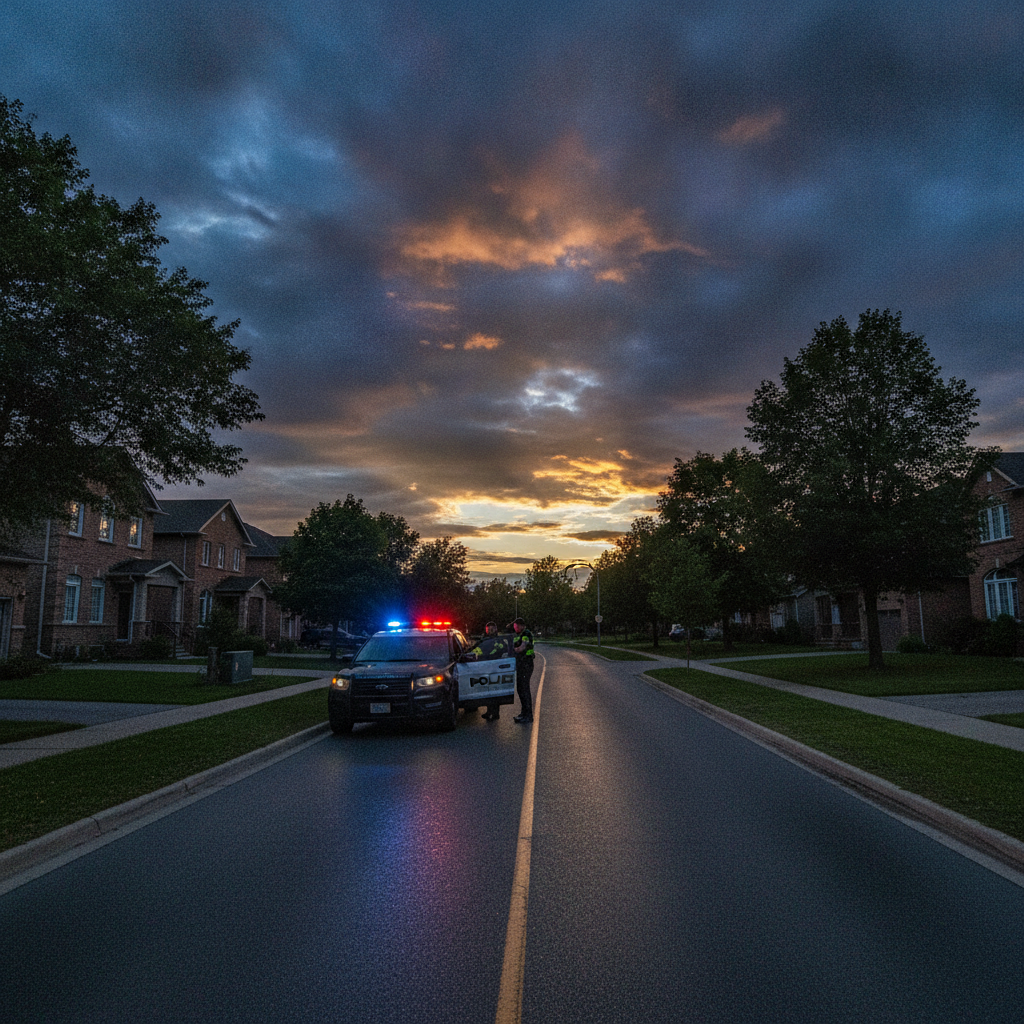
A speeding citation lawyer is a legal professional who defends drivers ticketed for exceeding posted limits or related traffic offenses in Ontario. They analyze the ticket, evidence, and procedure to spot errors and negotiate or fight the charge. The goal is protecting your license and limiting penalties that can impact insurance and work.
By Kapil Rathod, Lawyer — Rathod Law Firm
Last updated: July 6, 2026
Quick Overview
If you received a speeding ticket in Ontario, act quickly: check your deadline, choose an option, and consider consulting a speeding citation lawyer. Timely disclosure requests, careful evidence review, and targeted negotiations can reduce points, protect your record, and lower insurance risk.
This complete guide distills how tickets work, what defenses apply, and when to hire help—designed for busy drivers who want practical steps, not theory. You’ll see options, timelines, best practices, and local tips that reflect how Ontario traffic courts operate day to day.
- Understand what a speeding citation lawyer actually does for you
- See why fighting a ticket can protect your license and insurance
- Follow the Ontario ticket process from election to trial
- Match defenses to radar, lidar, pace, or camera evidence
- Use checklists, tools, and courthouse-ready preparation steps
- Apply Ontario-specific insights near Professor’s Lake Park and Empire College Canada
What Is a Speeding Citation Lawyer?
A speeding citation lawyer defends traffic charges like speeding, red-light, stunt driving, and suspended license matters. They analyze disclosure, evaluate device operation, and challenge procedure. Their objective is reduction or dismissal through negotiation or trial, based on facts, law, and courthouse practice.
At Rathod Law Firm, traffic defense is part of a broader, client-first practice that also covers immigration and family law. That breadth matters. We regularly tailor strategies around work obligations, family schedules, and even immigration-related travel concerns. Our integrated model pairs lawyer oversight with licensed paralegal advocacy where appropriate, giving motorists efficient, outcome-focused representation in Ontario traffic courts.
Core responsibilities you can expect
- Early case assessment: Review the ticket, your driving abstract, and goals to identify leverage and risk.
- Disclosure management: Request officer notes, speed device logs, training records, and any video promptly and completely.
- Defense mapping: Match defenses to the measurement method (radar, lidar, pacing, or camera) and site conditions.
- Negotiation strategy: Use facts and fairness arguments to seek reductions or alternative dispositions before trial.
- Court representation: Examine witnesses, argue motions, and present your case when litigation is the smartest path.
We’ve seen seemingly straightforward tickets unravel after disclosure revealed timing gaps, device setup problems, or line‑of‑sight issues. A careful review often reveals the difference between paying the full conviction and reaching a measured resolution.
Why a Speeding Citation Lawyer Matters
Speeding convictions can add demerit points, appear on your record, and influence insurance rating decisions. A lawyer helps reduce or avoid convictions, protect points, and preserve your options by acting before deadlines pass and disclosure windows close.
Many drivers focus only on the fine. The real impact is the long-tail effect on your driving abstract and potential insurance risk tiers. Your ticket decision today can influence job requirements (company car, rideshare eligibility), travel plans, and even family logistics for years. Here’s why defense expertise pays off in practical terms:
- Record and demerit points: Fewer points and cleaner records reduce administrative headaches and future exposure.
- Insurance perspective: Convictions often factor into insurer risk models for multiple terms; improvements to the outcome can matter.
- Future flexibility: Avoiding compounding issues (like multiple convictions) preserves options if something happens later.
If you’re weighing insurance impacts, practical tips on safe driving behaviors and policy choices can help; see this overview on reducing auto insurance risk in Ontario for a consumer-focused perspective on long-term planning.
How the Ontario Ticket Process Works
Ontario tickets follow a predictable path: you elect an option by the deadline, seek disclosure, and attend early resolution or trial. Missing deadlines narrows choices. Solid documentation and timely requests lead to better negotiations and fewer surprises in court.
While exact procedures vary by courthouse, the sequence is consistent enough to plan reliably. Understanding the process helps you protect rights, hit deadlines, and organize evidence. Here’s the flow we walk clients through:
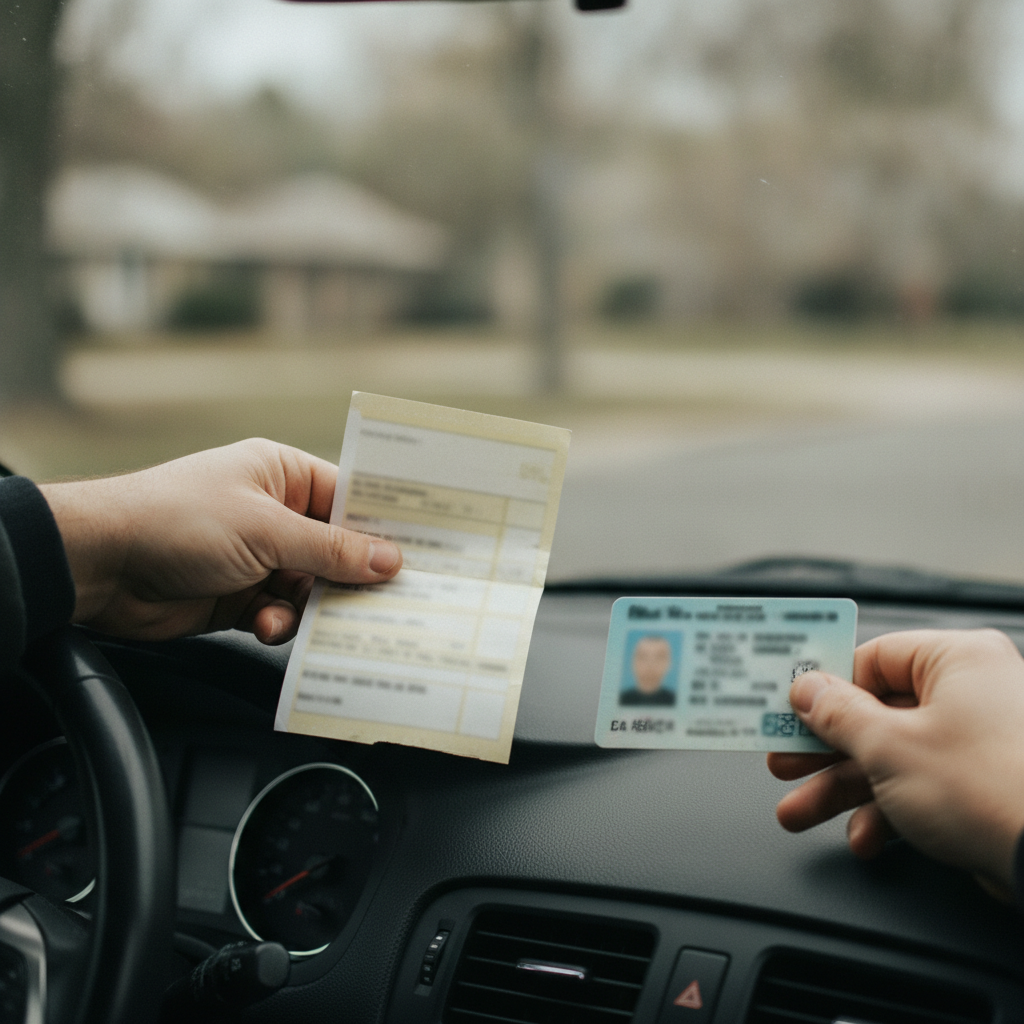
- Read the ticket front and back: Confirm offense, date, and your deadline for choosing an option.
- Elect an option early: Pay, seek early resolution, or request a trial. If in doubt, talk to a speeding citation lawyer first.
- Request disclosure immediately: Ask for officer notes, device calibration/maintenance records, training, and any video.
- Attend early resolution: Negotiate thoughtfully using facts (traffic density, device angle, weather, sight lines).
- Prepare for trial if necessary: Confirm witnesses, organize exhibits, and consider motions about disclosure or timing.
- Trial day: The prosecutor must prove the case beyond a reasonable doubt; targeted cross‑examination can test reliability.
- Post‑decision options: Evaluate appeal routes where legal errors or unfairness impacted the result.
In our experience, the quality of disclosure often determines strategy. If key records are incomplete or inconsistent with officer notes, that can justify a different negotiation stance—or a decision to proceed to trial.
Types of Speed Measurement and Defenses
Ontario officers use radar, lidar, pacing, and occasionally automated cameras. Effective defenses test device setup, calibration, operator training, environmental conditions, and target identification. Tailoring arguments to the method used is essential for meaningful reductions or dismissals.
Each measurement approach creates unique reliability questions. Your case should be matched to the exact method alleged, the roadway, and the officer’s observations.
Radar
- Operational checks: Tuning fork tests, calibration logs, antenna placement, and angle (cosine considerations).
- Defense angles: Interference from other vehicles, multi‑target confusion in dense traffic, and off‑axis alignment.
- Action: Compare officer notes to device manuals and calibration records; flag inconsistencies for negotiation or trial.
Lidar
- Operational checks: Acquisition distance, beam divergence, operator steadiness, and qualification or training recency.
- Defense angles: Sweep error on moving targets, reflective surfaces, and line‑of‑sight issues on curves or hills.
- Action: Inspect tracking history and environmental context; challenge long‑distance targeting near bends.
Pacing and visual estimation
- Operational checks: Following distance, speedometer calibration, and continuity of observation.
- Defense angles: Gaps in observation, obstructed views, or calibration proof that’s missing or outdated.
- Action: Demand calibration documentation; if absent or dated, use that in talks or motions.
Automated and camera-based enforcement
- Operational checks: Device maintenance cycles, image clarity, and chain of custody of the evidence.
- Defense angles: Identification of the vehicle and driver, signage visibility, and timing records.
- Action: Request the full set of maintenance and capture logs to verify reliability.
We often map disclosure against known training protocols and operating manuals. Where the paperwork doesn’t match the claimed method, the reliability argument gets stronger—and so do your options.
Your Options After a Ticket
Your three main paths are to pay, seek early resolution, or go to trial. The best choice depends on your record, the measurement method, and disclosure quality. Early resolution can deliver reductions; trials test proof, procedure, and device reliability.
Here’s a simple decision frame we use with clients. It balances speed, risk, and long‑term impact on your record and insurance outlook.
| Path | When It Fits | Pros | Risks |
|---|---|---|---|
| Pay as issued | Proof looks strong and time is limited | Fast closure, no hearings | Record impact and insurer view remain |
| Early resolution | Negotiable facts or first ticket | Potential reductions in points or charge | Usually still a conviction, though improved |
| Trial | Defensible disclosure or procedure issues | Acquittal or dismissal possible | Time, preparation, and outcome uncertainty |
We align this decision with your goals. For example, a professional driver may prioritize point protection over speed, while a commuter might prefer a quick reduction that limits long‑term risk.
Best Practices to Protect Your Record
Document the scene early, request disclosure fast, and avoid unneeded admissions. Organize a clean case file. Work with a speeding citation lawyer to time negotiations, narrow issues, and challenge proof strategically for the best chance at a favorable outcome.
Checklist we use with clients
- Photograph the location: Capture signage, lanes, curves, and sight lines from the driver’s perspective.
- Write a same‑day memo: Note traffic density, weather, road surface, and any unusual events.
- Request disclosure promptly: Track responses and follow up if key items are missing or unclear.
- Review your abstract: A clean history can support better negotiations; bring a copy to meetings.
- Mind your words: Stay respectful and concise in all communications—on the roadside and with the court.
Driving habits that reduce future risk
- Situational awareness: Scan ahead and anticipate speed changes as you approach busy zones.
- Spacing strategies: Learn tactics for tense situations; this primer on handling tailgaters safely is a quick refresher.
- Skill refreshers: A structured defensive driving course can reinforce hazard perception and speed control.
Consistency wins cases. When your photos, notes, and the official records tell a coherent story, negotiations tend to be more productive—and trial posture more confident.
Tools and Resources You’ll Actually Use
Leverage official portals for deadlines and scheduling, then combine them with professional guidance to interpret disclosure and courthouse practice. Reliable references and checklists help you avoid defaults, preserve options, and present a well‑prepared case.
What to gather
- Ticket details: Photos of the ticket (front and back) and a written note of the deadline.
- Site evidence: Photos/video from the driver’s vantage point—signage, grade, and obstructions.
- Vehicle records: Speedometer calibration or service records if pacing is alleged.
- Personal context: Work schedules, licensing needs, and any factors a prosecutor should weigh.
How we structure the file
- Chronology: Timeline from stop to current date with deadlines highlighted.
- Disclosure index: Checklist of what was requested, received, and still missing.
- Defense matrix: Map each fact to radar/lidar/pace/camera defenses to guide negotiations or trial.
- Hearing prep: Question outlines, exhibit lists, and anticipated counter‑arguments.
Clients often tell us this structure alone reduces stress. It turns a confusing experience into a step‑by‑step plan you can follow—and that a court can follow too.

Case Studies and Examples (Ontario)
Outcomes turn on details. We’ve achieved reductions where disclosure revealed device setup issues and withdrawals where target identification was uncertain in heavy traffic. Each example below shows how focused review and negotiation shape real‑world results.
Busy arterial with multi‑vehicle radar
- Facts: Heavy traffic at rush hour; off‑axis antenna placement noted in disclosure.
- Defense: Target identification risk in dense flow; potential cosine error.
- Outcome: Charge reduced to a lesser offense; points impact mitigated.
Lidar at long distance near a curve
- Facts: Long acquisition distance; partial tracking history; bend in roadway.
- Defense: Line‑of‑sight concerns and sweep error potential; tracking continuity.
- Outcome: Negotiated improvement recognizing reliability concerns in context.
Paced measurement with calibration gap
- Facts: Pacing used; maintenance records appeared outdated.
- Defense: Speedometer calibration proof requested; continuity of observation tested.
- Outcome: Amended to a no‑point offense after discussions.
Automated camera with unclear image
- Facts: Photo lacked clarity; chain of custody records incomplete.
- Defense: Questioned identification and maintenance cycles; sought full logs.
- Outcome: Matter withdrawn after further review.
Local considerations for Ontario
- Commuter corridors can see variable limits; around Professor’s Lake Park, double‑check signage before accelerating after intersections.
- Winter visibility and road salt can affect lidar and radar; document conditions to contextualize readings and negotiation points.
- If you study or work near Empire College Canada, plan extra time for court dates and disclosure pickups to avoid defaults.
When to Hire and When to Self‑Represent
Hire counsel when demerit exposure is high, the device evidence is technical, or your job relies on a clean record. Self‑represent clear, minor matters if deadlines are manageable. If unsure, book a short consultation to triage disclosure and decide confidently.
In our practice, a brief front‑end assessment often pays for itself in clarity. We triage disclosure, spot technical issues, and outline the realistic outcomes across pay, negotiate, or fight paths. From there, clients choose paralegal advocacy for straightforward cases or lawyer‑led litigation where complexity and risk warrant it.
- Good candidates to self‑represent: Clear signage, simple facts, and flexible timelines.
- Good candidates to hire: High points risk, technical device disputes, or work‑sensitive records.
- Hybrid approach: Get early advice, then decide whether to proceed alone or with representation.
How Rathod Law Firm Helps Ontario Drivers
We combine lawyer oversight with licensed paralegal support to defend speeding, red-light, stunt driving, and suspended license matters. We request disclosure quickly, spot technical defenses, negotiate strategically, and represent you in Ontario traffic courts from first appearance to resolution.
- Integrated team: Lawyer + paralegal collaboration designed for efficient case handling.
- Client‑first updates: Clear timelines, prompt communication, and structured file management.
- Local presence: Consultations aligned with Ontario courthouse practices and scheduling realities.
- Broader perspective: We also handle immigration and family law, so we plan around travel, employment, or custody needs.
Ready to protect your record? Book a consultation with a speeding citation lawyer to review disclosure and map a defense that fits your goals and deadlines.
Related Guides and Next Reads
Explore adjacent topics that influence your ticket strategy: demerit point systems, safe driving refreshers, and how broader legal needs intersect with traffic defense. A holistic view helps you plan beyond a single ticket and avoid compounding issues.
- Understanding demerit point systems and how they affect administrative actions
- Safe driving refreshers that improve hazard perception and lower risk
- How immigration or family obligations can influence scheduling and strategy
Frequently Asked Questions
These brief answers cover common Ontario speeding defense questions. For tailored guidance, consult a professional who can review your disclosure, goals, and driving history.
Do I need a lawyer for every speeding ticket?
Not always. For straightforward first tickets, early resolution may be enough. If points risk is high, the evidence is technical (radar or lidar), or your job depends on a clean record, legal representation reduces risk and handles court on your behalf.
What if the officer doesn’t show up?
Outcomes vary. Some courts adjourn; others proceed differently based on circumstances. Don’t rely on non‑attendance. Build a disclosure‑based defense so you’re positioned for success regardless of who appears at the hearing.
Can a speeding conviction affect insurance?
Insurers often consider convictions when setting risk tiers for future terms. Protecting your record—through reductions, withdrawals, or acquittals—can help limit potential premium impacts over time.
How do demerit points work?
Demerit points are assigned after convictions and can lead to warnings, interviews, or suspensions depending on totals and license class. The fewer points you have, the fewer administrative consequences you’re likely to face.
Should I do a defensive driving course?
A structured course can improve hazard perception, spacing, and speed control—useful for staying ticket‑free. Education supports safer habits and can make a stronger case that the incident was an outlier.
Conclusion and Next Steps
Act before your deadline, request disclosure, and choose the right path—pay, negotiate, or fight. A speeding citation lawyer helps protect points, your record, and insurance outlook. A short consultation can turn uncertainty into a clear, courthouse‑ready plan.
- First: Note your deadline and request disclosure immediately.
- Next: Organize photos, notes, and records into a simple case file.
- Then: Decide on early resolution or trial with advice grounded in your facts.
Key takeaways
- Disclosure quality often drives both strategy and outcomes.
- Method‑matched defenses (radar, lidar, pace, camera) are more persuasive.
- Negotiations can mitigate points even when proof looks strong.
Book a local consultation in Ontario to review your ticket, goals, and best path forward. We’ll help you protect your license and keep life moving.